Introduction: As Hong Kong emerges as a key cloud computing hub in the Asia-Pacific region, businesses are increasingly relying on cloud servers in Hong Kong and resources provided by platforms such as Wanwang. From the perspective of security assessment, this article explores common types of risks and offers actionable data protection recommendations, aiming to provide reference solutions and key implementation points for technical and compliance teams.
Overview of Cloud Server Security in Hong Kong
Hong Kong data centers usually have good network connectivity and physical infrastructure, but they face risks such as cross-border data transmission, DDoS attacks, and compliance differences. Evaluation should be risk-oriented, setting priorities and control measures by considering business sensitivity, availability requirements, and local legal requirements, to ensure that security design and operations are aligned.
Evaluation of the security features of Wanwang platform
When evaluating cloud platforms such as Wanwang, attention should be paid to multi-tenant isolation, API security, and instance snapshots and log traceability. Check whether the default configuration adheres to the principle of least privilege, supports fine-grained access control and multi-factor authentication, and provides transparent security incident response and auditing capabilities.
Network and Border Protection
At the network level, protection mechanisms such as firewalls, virtual private networks (VPCs), intrusion detection, and load balancing should be deployed. For cloud servers in Hong Kong, DDoS protection policies, traffic monitoring, and geoblocking rules should be configured. The network topology should be regularly evaluated to reduce lateral movement and exposure risks.
Authentication and Access Control
Identity and access management is the first line of defense. It is recommended to enable multi-factor authentication, role-based access control (RBAC), and the principle of least privilege. Permissions and long-term credentials should be reviewed regularly, and centralized identity providers and temporary credentials should be used to reduce the risk of long-term exposure.
Data Storage and Encryption
The storage layer should use static data encryption and transport layer encryption (TLS), while ensuring isolation and auditing of key management. Sensitive data should be classified, masked, and stored in minimal quantities. Backup encryption and regular recovery drills should be implemented to ensure that data availability and integrity can be quickly restored in the event of an incident.
Compliance and localized data protection requirements
Hong Kong’s data protection regulations and industry compliance requirements may affect data localization and cross-border transfer strategies. Companies should assess data types and legal responsibilities, establish data classification, consent management, and controls for cross-border transfers, and where necessary, implement data residency or adopt mandatory contractual and technical isolation measures.
Actionable security recommendations and best practices
Practical suggestions include: Conduct regular vulnerability scanning and penetration testing, implement continuous monitoring and centralized logging, establish incident response and drill plans, adopt Infrastructure as Code (IaC) and security automation, and sign clear responsibility allocation and security SLAs with suppliers.
Summary and Recommendations
Summary: To build a security system on cloud servers in Hong Kong and on Wanwang platforms, risk management should be at the core, combined with network protection, identity and access control, data encryption, and compliance processes for implementation. It is recommended to conduct regular evaluations and integrate security controls throughout the entire development and operation process to ensure equal emphasis on data protection and business continuity.

- Latest articles
- Practical Guide to E-commerce Websites: How to Choose Server Locations in Hong Kong to Improve Page Load Speed
- Is the quality of Korean VPS good? Factors affecting quality include data center operations and operator strategies
- The Impact of German Server Mobile Games on User Retention and Optimization Roadmap
- Fan Creations: Summary of Original Works and Distribution Channels by Jay Chou’s Guangdong Fans Group in Hong Kong
- Operations Guide for Oracle VPS in Singapore: Best Practices for Daily Backups and Disaster Recovery Strategies
- Photographer shoots series of images of luxurious airplane suites in Thailand, showcasing lighting and layout
- Comprehensive Evaluation of the Impact of Cloud Server Location in South Korean Data Centers on Latency in Cross-Border Services
- Analysis of the gambling market on Cambodian servers: Sharing strategies for optimizing local traffic and payment channels
- Are Battle.net servers connected to the US servers? Explanation on account and data interoperability between US servers and other servers
- Popular tags
-
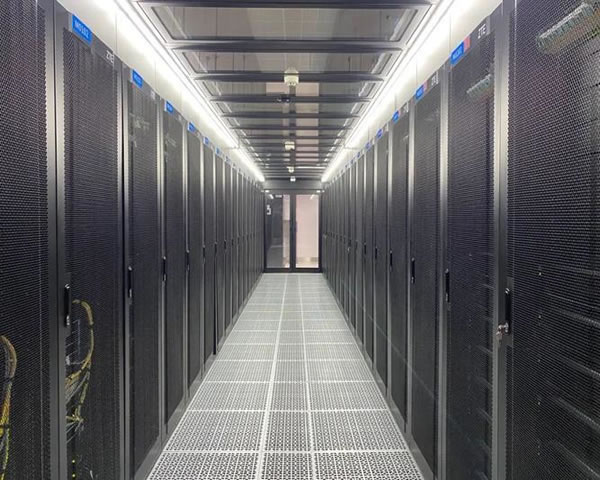
how to choose the right vps hong kong 100m bandwidth service
this article will provide you with a practical guide to choosing a suitable hong kong 100m bandwidth vps service, including key factors, considerations and recommended strategies. -
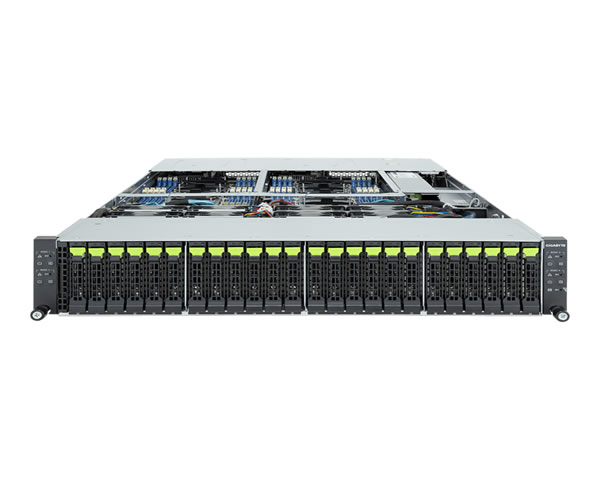
shenzhen users must read hong kong vps rental guide and selection
this article provides shenzhen users with a comprehensive guide to hong kong vps rental to help you choose the most suitable vps service. -

purchasing advice: how to choose the appropriate bandwidth and memory for hong kong network vps according to business type
network vps purchasing advice for hong kong, teaching you to properly select bandwidth and memory based on business types such as websites, e-commerce, video streaming, file transfer, etc., to improve performance and cost efficiency.